The gut-brain axis is a fascinating communication network that profoundly bridges the gap between the gut and the brain, influencing our mental and physical health. Understanding this connection opens up new pathways to healing for anyone dealing with trauma, stress, or even physical ailments.
What is the Gut-Brain Axis?
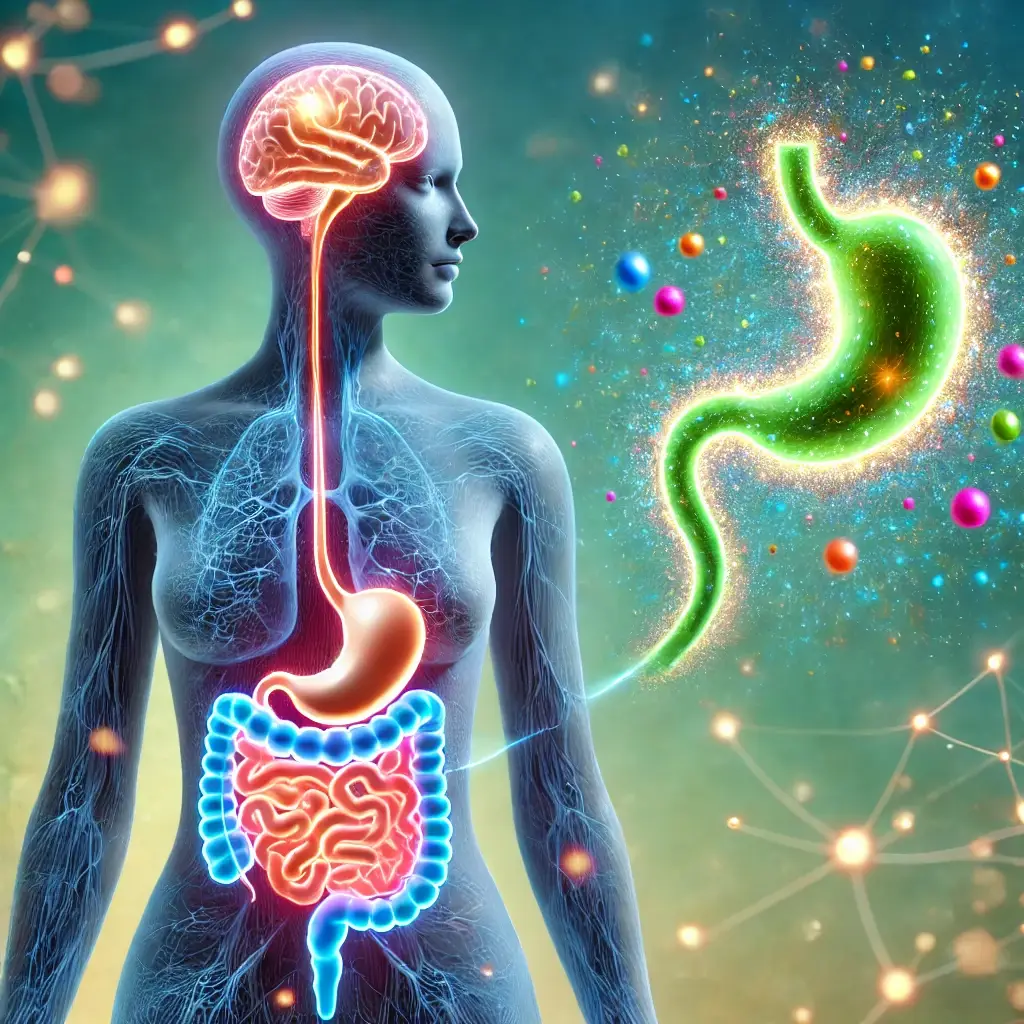
The gut-brain axis is a bidirectional communication system involving the central nervous system (CNS) and the enteric nervous system (ENS). It links our emotional and cognitive centres with our gastrointestinal system. The vagus nerve, hormones, and our gut microbiota—the trillions of microorganisms living in our digestive tract—facilitate this dialogue.
Why is it Important?
Emerging research highlights the gut’s role in influencing mental health, immunity, and chronic illnesses. The gut microbiota produces neurotransmitters like serotonin (around 90% of which is made in the gut), which affect mood, sleep, and overall wellbeing. Imbalances in gut health have been linked to conditions such as anxiety, depression, and irritable bowel syndrome (IBS).
The Stress Connection
Stress has a direct impact on the gut-brain axis. When stressed, our body enters fight-or-flight mode, reducing blood flow and digestion efficiency. Chronic stress can disturb the gut microbiome, leading to inflammation and poor nutrient absorption, which can further exacerbate mental health issues.
Healing the Gut-Brain Axis
For those managing trauma or stress, nurturing the gut can support overall recovery. Here are some approaches:
- FODMAP or Anti-Inflammatory Diets: Such diets can reduce gut strain and improve digestion for people with IBS or inflammation.
- Probiotics and Prebiotics help restore healthy gut bacteria, promoting better communication along the gut-brain axis. Foods like kefir, sauerkraut, and bananas are good examples.
- Stress Management: Mindfulness practices, yoga, and EMDR therapy can regulate stress, improving mental and gut health.
- Herbal Medicine: Specific herbs, like chamomile or fennel, can soothe inflammation and support gut healing.
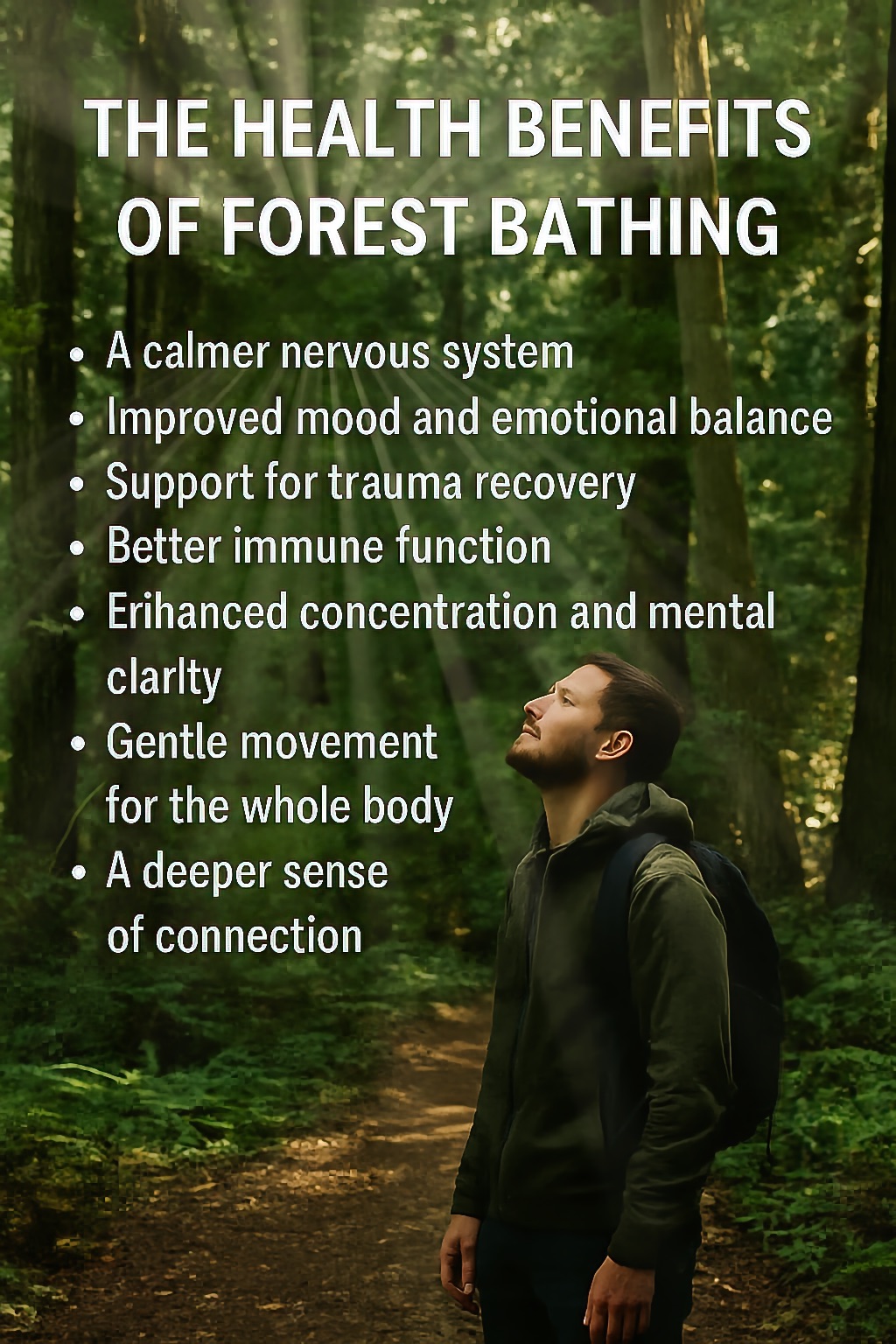
- Movement: Gentle activities like walking stimulate the vagus nerve and improve gut-brain communication.
Gut-Brain Therapy in Practice
For practitioners, the gut-brain axis offers exciting opportunities to integrate physical and emotional healing. Psychotherapy, particularly trauma-focused approaches like EMDR, can be complemented by dietary or lifestyle adjustments. This holistic strategy empowers individuals to address their well-being from both ends of the axis.
Conclusion
Understanding the gut-brain axis underscores how intertwined our mental and physical health are. Nurturing this connection unlocks greater resilience, balance, and vitality.